
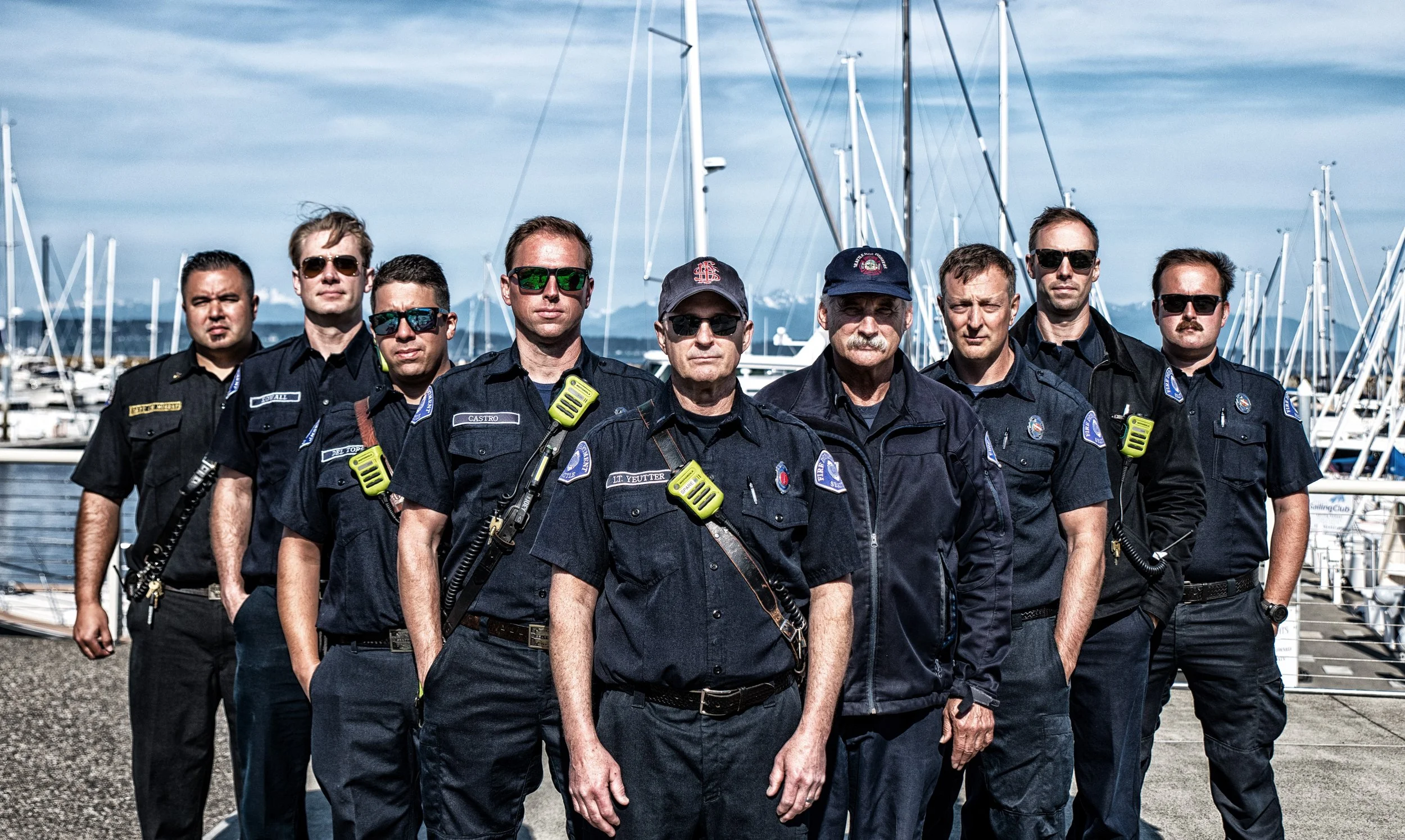
space to think clearly
for people others rely on
a confidential, practical process to restore clarity, discipline, build forward momentum
confidential • practical • results-focused
ICF Coaching Pathway
CLCI - MCPC
Mental Health First Aid Certified
Fire Service Psychology Association Member
Harvard Medical School Wellness Graduate
15+ Years Experience With First Responders
who coaching is for
Shift Change Collective works with individuals operating in demanding environments where responsibility and pressure intersect
clients commonly include:
first responders
leaders and executives
professionals navigating stress or life transitions
the process
our coaching process is designed to create clarity quickly and translate insight into action

initial consult with a coach
an introductory conversation to understand what coaching is (and isn’t). we will work to identify the patterns that need attention and determine if coaching is the right fit

structured coaching sessions
focused sessions designed to identify patterns, clarify priorities, and build practical strategies for change

accountability & progress
each session emphasizes implementation so meaningful change carries into daily life and relationships
why coaching works

professional coaching is a structured, forward-focused process designed to translate insight into action
rather than focusing primarily on the past, coaching emphasizes practical strategies, accountability, and consistent progress. clients leave each session with specific tools, exercises, and reflection practices they can use between sessions to proactively implement meaningful changes in their daily lives
many clients describe coaching as a professional, confidential space between informal conversation and clinical care
about us
founded by Blake Bidleman — a Seattle firefighter/EMT, husband, father, and coach
years in the fire service, as a business owner and in the corporate world exposed him to the realities of high-responsibility professions: quiet pressure, stress accumulation, and the impact those demands can have on relationships and life off shift
through professional coaching education and lived experience, he developed a structured coaching approach designed to help clients regain clarity, rebuild stability, and move forward with intention

“ Blake isn’t a therapist; he’s an exceptional listener and a highly effective performance coach. what felt like a real, honest conversation opened perspectives I’d never explored before. by the end, it was as if someone had blown the fog out of my head. I recommend Blake without hesitation to any firefighter or EMS professional looking for sharper mental clarity and focus.”
— Battalion Chief (Ret.) Robert Avsec
Fire Service Psychology Assn.
Operations Chief
frequently asked questions
-
no.
therapy focuses on diagnosis, trauma processing, and clinical treatment of mental health conditions. it plays an important role in overall wellness.
coaching is a different professional practice that is forward-focused and action-oriented. it helps people identify patterns, clarify priorities, and implement meaningful change in daily life.
many clients are surprised by how different the coaching experience feels. rather than focusing primarily on the past, coaching centers on building momentum, accountability, and practical next steps.
some first responder clients describe our work as a professional, confidential space between informal conversation and clinical care.
-
no.
clients bring a wide range of real-life challenges into coaching conversations. it is common for discussions to include topics such as stress, anxiety, leadership pressure, relationships, addiction recovery, depression, and overall life direction.
for many people, personal values and spiritual beliefs are also an important part of how they process challenges and make decisions. when meaningful to the client, those conversations are welcome.
coaching does not provide clinical diagnosis or therapy, but it can be a powerful framework for translating insight into meaningful action and forward movement.
-
coaching is often a good fit for people who are functioning well in many areas of life but feel stuck, overwhelmed, or ready for meaningful change.
many clients are looking for a structured, professional space to think clearly, develop practical strategies, and build accountability around the changes they want to make.
if someone is experiencing challenges that require clinical care, therapy, or medical treatment, we may recommend working with a licensed professional in addition to — or instead of — coaching.
the initial conversation is simply a chance to determine whether coaching would be helpful for your situation.
-
yes.
coaching conversations are treated with professional discretion. clients often discuss sensitive personal and professional topics, and privacy is taken seriously.
however, coaching is not the same as licensed clinical care. if concerns arise regarding the safety of the client or others, appropriate steps may be taken to involve additional support.
in some cases, coaching may also occur alongside therapists, physicians, or other professionals as part of a broader care network.
-
sessions can take place in person or virtually using google meet or zoom.
each session is a structured conversation focused on clarity, strategy, and action. we work together to identify the patterns driving current challenges, develop practical approaches to address them, and create accountability so progress continues between meetings.
the goal is always forward movement — helping clients leave each session with clearer direction and practical next steps.
-
yes.
we work with teenagers and young adults around challenges such as stress, confidence, motivation, and navigating school, relationships, or early career decisions.
when coaching youth, we partner closely with parents from the start to align on goals. most sessions take place directly with the young person so they have space to reflect, build confidence, and develop ownership over their decisions, while parents remain appropriately involved.
coaching is not therapy, but it can be a powerful framework for helping young people develop resilience, practical tools, and greater confidence moving forward.
-
yes.
coaching often works best as part of a broader support system. in some cases, clients are already working with therapists, physicians, recovery programs, or other professionals.
when appropriate and with the client’s permission, coaching can complement that work by focusing on practical implementation — helping clients translate insight into consistent action, healthier habits, and meaningful progress in daily life.
our goal is always to support the client while respecting the roles of other professionals involved in their care.